SiC entwickelt eine Privacy-first-Plattform für das Apple Ecosystem, die ein alltägliches Problem löst: veraltete Kontaktdaten. Anders als bestehende Lösungen setzen wir nicht auf zentrale Datenbanken oder Synchronisation, sondern auf einen vertrauenswürdigen Rückkanal zwischen Menschen. Kontakte aktualisieren ihre eigenen Daten – ohne Login, ohne Account, ohne Datensammlung.
Kernthese
Kontaktdaten lassen sich nicht dauerhaft zentral pflegen. Der einzige nachhaltige Weg ist, dass jeder Kontakt die eigenen Daten selbst bestätigt und aktualisiert.
Das Problem
Kontakte gehören zu den wichtigsten digitalen Informationen im Alltag – privat wie beruflich. Telefonnummern ändern sich, E-Mail-Adressen veralten, Menschen ziehen um oder wechseln den Job. Trotz Smartphones, Cloud-Diensten und CRM-Systemen sind Adressbücher chronisch veraltet.
25% der Kontaktdaten veralten jährlich
3,2 Std. durchschnittlicher Zeitaufwand pro Jahr für manuelle Pflege
87% der Nutzer haben veraltete Kontakte im Adressbuch
Bestehende Lösungen wie FullContact, Contacts+ oder Sync.ME setzen auf zentrale Datenbanken, Social-Media-Aggregation oder gegenseitige Synchronisation. Diese Ansätze scheitern an Datenschutzbedenken, erfordern Accounts von beiden Seiten oder sammeln Daten intransparent.
Meine Lösung
SIC ermöglicht es Nutzern, ihre Kontakte aktiv um eine Aktualisierung ihrer Daten zu bitten. Der Prozess ist denkbar einfach: Nutzer wählen Kontakte aus ihrem Apple-Adressbuch aus und versenden persönliche Update-Anfragen über sichere, zeitlich begrenzte Links. Kontakte bestätigen oder korrigieren ihre Daten in Sekunden über eine Web-Oberfläche – ohne Login, ohne App-Download. Die Updates synchronisieren sich automatisch über iCloud auf alle Geräte des Nutzers.
Optional kann das System in regelmäßigen Abständen (z.B. quartalsweise) automatisiert alle oder ausgewählte Kontakte zur Aktualisierung einladen.
Differenzierung
Kriterium
SIC
Wettbewerb
Zentrale Kontakt-Datenbank
✗ Keine
✓ Ja
Account für Kontakt erforderlich
✗ Nein
✓ Oft ja
Datensammlung
✗ Keine
✓ Umfangreich
Native Apple Integration
✓ Vollständig
✗ Teilweise
DSGVO-Konformität
✓ By Design
△ Nachträglich
Marktpotenzial
Der globale Markt für Contact Management Software wird auf über 3 Milliarden USD geschätzt und wächst jährlich um 12-15%. Im Apple Ecosystem allein nutzen über 1,5 Milliarden aktive Geräte die native Kontakte-App. Unser Fokus liegt zunächst auf dem deutschsprachigen Raum (DACH) mit rund 100 Millionen Apple-Nutzern, bevor wir international expandieren.
€500M+ TAM (DACH Region)
€50MS AM (Early Adopter Segment)
€5M. SOM (Jahr 3)
Zielgruppen
Privatpersonen & Familien: Halten Kontaktdaten von Familie und Freunden aktuell, besonders bei Umzügen, Jobwechseln oder neuen Telefonnummern.
Prosumer & Selbstständige: Freelancer, Berater und Kreative mit wachsenden professionellen Netzwerken, die auf aktuelle Kontaktdaten angewiesen sind.
Professionals & Netzwerker: Vertriebsmitarbeiter, Personalberater und Führungskräfte mit großen Kontaktnetzwerken, für die aktuelle Erreichbarkeit geschäftskritisch ist.
Vereine & Organisationen: Sportvereine, Alumni-Netzwerke und gemeinnützige Organisationen, die Mitgliederdaten aktuell halten müssen.
Geschäftsmodell
ContactSync folgt einem Freemium-Modell mit klarem Upgrade-Pfad. Die kostenlose Basisversion ermöglicht eine begrenzte Anzahl monatlicher Update-Anfragen und deckt den Bedarf von Privatnutzern ab. Premium-Abonnements bieten unbegrenzte Anfragen, automatisierte Kampagnen, erweiterte Statistiken und Prioritäts-Support.
€0 Free (10 Anfragen/Monat)
€4,99 Pro (unbegrenzt, mtl.)
€49,99 Pro (unbegrenzt, jährl.)
Langfristig planen wir Team-Lizenzen für kleine Unternehmen sowie API-Integrationen für CRM-Systeme als zusätzliche Umsatzquellen.
Technische Architektur
Das Backend speichert ausschließlich technische Zustände wie Token-Hashes, Ablaufzeiten und Status. Keine personenbezogenen Kontaktdaten verlassen die Geräte der Nutzer. Alle Kontaktinformationen verbleiben in der nativen Kontakte-App und synchronisieren sich über Apples iCloud-Infrastruktur.
Update-Links sind einmalig verwendbar und zeitlich begrenzt (Standard: 7 Tage). Die Rückführung aktualisierter Daten erfolgt entweder über vCard-Download (maximale Privacy) oder über verschlüsselte Delta-Übertragung (optimale UX). Rate-Limiting und Abuse-Detection schützen vor Missbrauch.
Roadmap
Q1 2026 – MVP Launch
iOS App mit Kernfunktionalität, Web-Update-Seite, vCard-basierter Rückweg. Geschlossene Beta mit 500 Nutzern.
Q2 2026 – App Store Launch
Öffentlicher Launch, Freemium-Modell, erste Marketing-Kampagnen. Ziel: 10.000 Downloads.
Team-Funktionen, erste Unternehmenskunden, API-Dokumentation. Ziel: €50k ARR.
Finanzierungsbedarf
Wir suchen eine Pre-Seed-Finanzierung von €150.000 bis €250.000 zur Finanzierung der Produktentwicklung und des initialen Markteintritts. Die Mittel werden primär für Entwicklung (60%), Marketing und User Acquisition (25%) sowie operative Kosten (15%) verwendet.
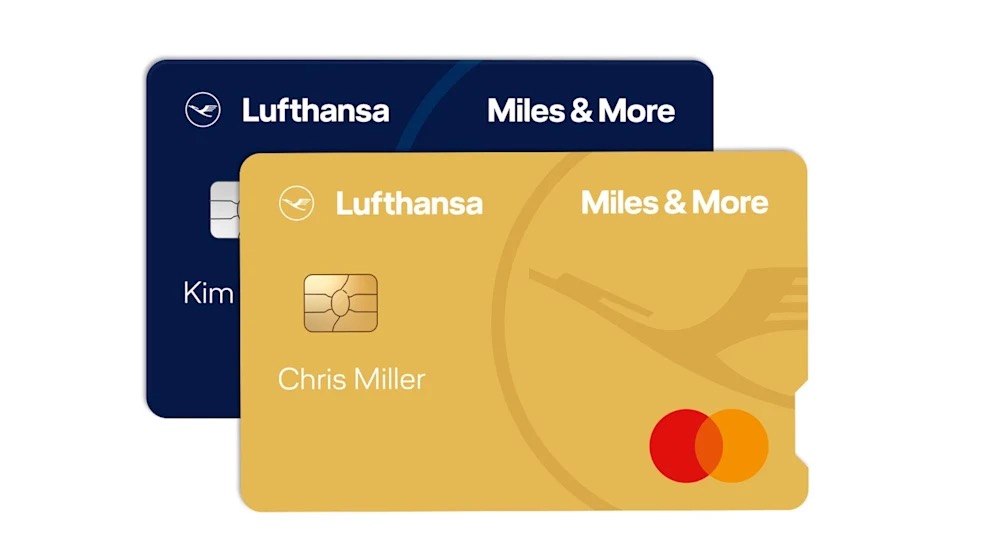
Seit dem 01.10.2025 wird die Miles & More Kreditkarte nicht mehr von der DKB, sondern von der Deutschen Bank ausgegeben. Aus eigener Erfahrung weiß ich, wie komplex solche Migrationen sind – technisch, regulatorisch und kommunikativ. Im Idealfall spürt der Kunde davon natürlich nichts. Genau das ist hier gelungen. Das Team der Deutschen Bank hat den Übergang ruhig, sauber und klar kundenorientiert umgesetzt.
Meine neue DB Miles & More Kreditkarte war schnell da, der Wechsel lief reibungslos und ohne Friktionen. Aus meiner Sicht: sehr gut geplant, sehr gut umgesetzt. Kompliment an alle Beteiligten bei Miles & More und der Deutschen Bank.
Im Nachgang: Vielen Dank für die spannenden Beiträge dazu diesem Post auf LinkedIn.
Zur Klarstellung noch einmal:
Ich arbeite weder für die Deutsche Bank noch für Miles & More und auch nicht für die Lufthansa.
Für meine Beiträge werde ich in keiner Form bezahlt. Alles, was ich hier schreibe, ist meine persönliche Einschätzung und basiert ausschließlich auf meinen eigenen Beobachtungen und Erfahrungen.
Ganz Offensichtlich gibt es einige richtig enttäuschte Miles & More Kunden, die im Rahmen des Kartentauschs oder insgesamt negative Erfahrungen gemacht haben.
Das zeigen sowohl die Kommentare hier als auch die Berichterstattung, unter anderem in der Bild-Zeitung.
Für die Betroffenen ist das natürlich sehr ärgerlich und frustrierend – das ist nachvollziehbar. Gleichzeitig gibt es auch viele Menschen, bei denen der Wechsel reibungslos funktioniert hat.
Wünschenswert wäre, dass diese Diskussion Aufmerksamkeit schafft, damit mögliche Schwachstellen identifiziert und konsequent behoben werden können.
I wish you all holidays full of joy, peace, health and laughter! Thank you for a fantastic year 2025. I hope to see you all safe and sound in the new year. Here’s to a great and peaceful new year 2026!
Creating additional value for companies has always been my passion. Throughout my career, I’ve consistently looked for ways to turn 1+1 into 3—identifying opportunities where partnerships don’t just add value but multiply it exponentially.
This mindset led me to specialize in strategic alliances, where the right collaborations unlock new capabilities, drive innovation, and create scalable success. For businesses looking to expand market reach, gain competitive advantages, or optimize operations, strategic alliances offer a smarter, more agile alternative to traditional growth models.The challenge? Aligning strategy, culture, and execution to fully capture the alliance’s potential. This is where experience, insight, and a proven track record in crafting high-impact partnerships make all the difference.
Why Strategic Alliances Are the Future of Business
In today’s hyper-competitive and rapidly evolving market, no company can thrive in isolation. Organizations seeking growth, innovation, and efficiency can no longer rely solely on organic expansion or acquisitions. Instead, partnering with the right companies accelerates market entry, unlocks new technologies, and enhances customer experiences.Successful alliances allow companies to:Reduce Risk– Share financial, operational, and market risks, especially in high-stakes industries such as fintech, pharmaceuticals, and aerospace.Optimize Costs– Achieve economies of scale and lower overheads through shared resources and investments.Expand Globally– Enter new markets rapidly by leveraging local expertise and established infrastructures.Enhance Products & Services– Integrate complementary technologies to differentiate offerings and create new value propositions.Accelerate Innovation– Combine R&D efforts, leading to faster commercialization of breakthrough solutions.
Real-World Impact: Strategic Alliances That Changed the Game
The world’s most successful companies aren’t just competing—they’re collaborating:
Apple & IBM– Enterprise mobility solutions, merging Apple’s consumer tech with IBM’s enterprise expertise.
Google & Samsung– AI-driven applications and device interoperability, strengthening both brands.
Starbucks & PepsiCo– Global expansion of Starbucks’ ready-to-drink coffee.
Red Bull & GoPro– A marketing and content powerhouse, capturing extreme sports and adventure moments.
T-Mobile & Taco Bell– An innovative brand collaboration rewarding customers with exclusive perks.
Heinz & Absolut Vodka– A creative product collaboration delivering a unique, high-impact marketing moment. I love it !
These alliances weren’t accidental—they were the result of strategic thinking, industry foresight, and expert execution.
Navigating the Alliance Landscape: Why Experience Matters
Designing high-value partnerships requires more than just good intentions. It takes a deep understanding of market dynamics, strategic fit, and operational alignment to ensure partnerships deliver their full potential. With extensive experience in partner management, marketing, and strategic sales, I help companies:🔹 Identify high-impact partnership opportunities 🔹 Structure alliances for long-term success 🔹 Align business goals, culture, and execution 🔹 Negotiate and optimize collaborative agreements 🔹 Turn ideas into action—transforming partnerships into growth engines
The Future is Collaborative—Are You Ready?
In an era where partnerships define market leadership, the right alliance can be the key to unlocking unprecedented growth and innovation.So, the real question is:Are you leveraging strategic alliances to their full potential?If you’re ready to explore high-impact collaborations that drive tangible business results, let’s connect. Opportunities don’t wait—let’s unlock new potential together.
Horizontale versus Vertikale künstliche Intelligenz und deren Einfluss auf Unternehmen der Zukunft
Die KI-Revolution ist keine ferne Vision mehr, sondern prägt bereits heute unser Leben und Arbeiten. Zwei zentrale Konzepte stehen dabei im Fokus: die vertikale und die horizontale KI. Während die vertikale KI durch ihre branchenspezifische Spezialisierung punktet, entwickelt sich die horizontale KI zunehmend zu einer grundlegenden Technologie – einem unverzichtbaren Layer, der bald genauso selbstverständlich für jedes Unternehmen sein wird wie Strom oder Logistik.
[ez-toc]
Vertikale KI: Spezialisiert und leistungsstark
Vertikale KI entfaltet ihre Stärke in spezifischen Anwendungsbereichen. Beispiele sind KI-Algorithmen in der medizinischen Diagnostik, die mit beeindruckender Präzision Anomalien erkennen, oder Systeme, die im Finanzsektor Betrugsmuster analysieren. Diese Lösungen adressieren gezielt die Anforderungen einzelner Branchen und revolutionieren dort die Effizienz und Entscheidungsfindung.
Horizontale KI: Die universelle Basis
Im Gegensatz dazu nimmt horizontale KI eine universelle Rolle ein, die funktionsübergreifend und branchenunabhängig ist. Mit Anwendungen wie natürlicher Sprachverarbeitung, prädiktiver Analytik und Computervision agiert sie als technologisches Rückgrat moderner Unternehmen. Diese KI-Schicht integriert sich nahtlos in unterschiedlichste Geschäftsbereiche und wird dadurch zu einem unverzichtbaren Bestandteil jedes Unternehmensbetriebs.
In absehbarer Zukunft wird horizontale KI eine ebenso essenzielle Infrastruktur darstellen wie Elektrizität oder die Lagerung von Waren. So wie Strom die industrielle Revolution vorantrieb, bildet horizontale KI den Motor für die digitale Transformation. Sie ermöglicht nicht nur Automatisierung und Effizienzsteigerung, sondern schafft auch die Grundlage für innovative Geschäftsmodelle und datengetriebene Entscheidungen. Unternehmen, die sich diesem Wandel nicht anpassen, laufen Gefahr, im Wettbewerb zurückzufallen.
Die Konvergenz von vertikaler und horizontaler KI
Besonders spannend wird die Interaktion zwischen vertikaler und horizontaler KI. Während vertikale KI branchenspezifische Herausforderungen löst, schafft horizontale KI die Infrastruktur, um diese spezialisierten Systeme effizient einzubinden und zu skalieren. Ein Beispiel ist der Gesundheitssektor: Ein vertikales KI-System könnte spezifische Diagnosen und Behandlungsempfehlungen liefern, während ein horizontales KI-System die reibungslose Kommunikation, die Verwaltung von Patientenakten und die Terminplanung übernimmt.
Herausforderungen und Zukunftsperspektiven
Trotz aller Potenziale gibt es Herausforderungen, die es zu bewältigen gilt. Datenschutz, algorithmische Voreingenommenheit und die Auswirkungen auf den Arbeitsmarkt erfordern klare Governance-Strukturen und ethische Leitlinien. Gleichzeitig wird der Wettbewerb um KI-Talente zunehmen, und Unternehmen müssen in die Schulung ihrer Mitarbeiter investieren, um die neuen Technologien effektiv nutzen zu können.
Die horizontale KI wird dabei eine zentrale Rolle spielen: Sie wird nicht nur Unternehmen, sondern ganze Branchen durchdringen und transformieren. Von der Automatisierung standardisierter Prozesse bis zur Schaffung neuer Möglichkeiten für Zusammenarbeit und Innovation – sie wird zur unsichtbaren, aber unverzichtbaren Grundlage moderner Geschäftstätigkeit.
Fazit
Die horizontale KI ist auf dem Weg, der universelle Layer der Geschäftswelt zu werden, so selbstverständlich wie Strom oder Internet. In Kombination mit der vertikalen KI entstehen transformative Möglichkeiten, die Unternehmen zukunftssicher machen und globale Herausforderungen adressieren können. Die Frage ist nicht mehr, ob KI die Geschäftswelt verändert, sondern wie schnell Unternehmen diese unverzichtbare Ressource integrieren und für ihre Wettbewerbsfähigkeit nutzen. Die Zukunft gehört denen, die die Potenziale von KI jetzt strategisch einsetzen.